Recovery Mobility
Gentle mobility work for rest days and recovery sessions, promoting blood flow, reducing stiffness, and supporting adaptation without creating additional fatigue.
Recovery mobility is distinct from training mobility. The goal is not to improve range of motion or strengthen tissues, it is to promote blood flow, reduce stiffness, and support the body's natural recovery processes. Recovery mobility should leave you feeling better, not fatigued.
Philosophy
Recovery mobility follows three rules:
- Gentle: Never push into pain or discomfort
- Non-fatiguing: Zero resistance, zero load, zero intensity
- Enjoyable: The session should feel good; if it does not, do less
Unlike pre-training warm-ups (which are essential), recovery mobility is a nice-to-have. On days when you feel good and have time, it supports recovery. On days when rest is the priority, skip it without guilt. Sleep is a more powerful recovery tool than any mobility routine.
The Recovery Routine
Total time: 10–15 minutes. Perform on rest days or after training if desired.
1. Cat-Cow (Spinal Flexion/Extension)
- Position
- All-fours
- Movement
- Slowly alternate between spinal flexion (cat) and extension (cow)
- Reps
- 8–10, moving with breath
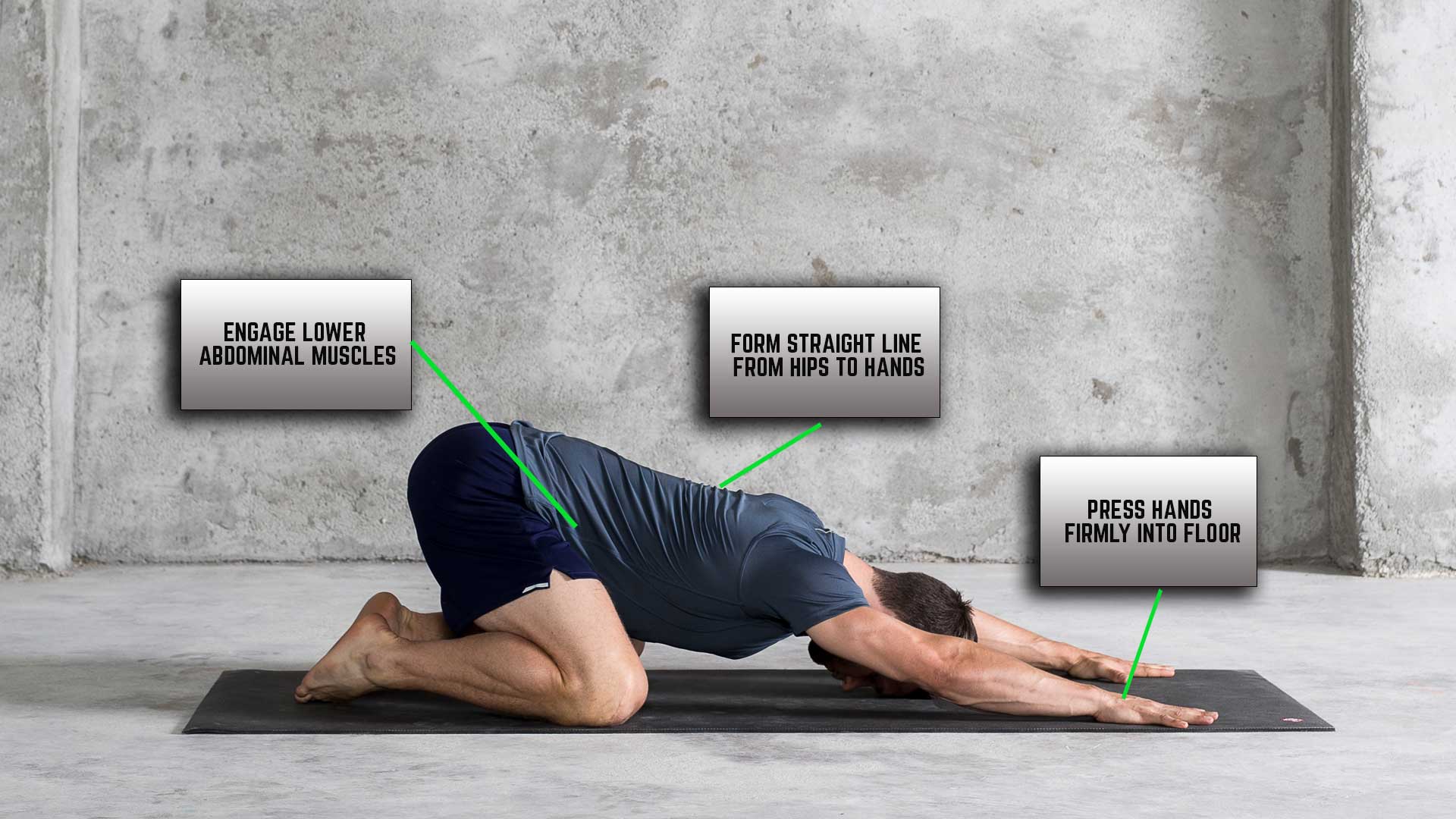
2. Child's Pose with Lateral Reach
- Position
- Kneeling, hips to heels, arms extended forward
- Movement
- Walk hands to each side, feeling a gentle stretch through the lats and upper back
- Hold
- 30 seconds centre, 30 seconds each side
3. Supine Twist
- Position
- Lying on back, arms out to sides
- Movement
- Drop both knees to one side, keeping shoulders on the ground
- Hold
- 45–60 seconds per side
4. Legs Up the Wall
- Position
- Lying on back, legs resting vertically against a wall
- Movement
- Relax completely; arms at sides or on belly
- Hold
- 2–5 minutes
This position promotes venous return from the legs, particularly beneficial after a long run or a day with high step count.
5. Deep Breathing (Diaphragmatic)
- Position
- Lying on back, one hand on chest, one on belly
- Movement
- Breathe so that only the belly hand rises; chest hand stays still
- Duration
- 2–3 minutes
Legs up the wall is the single highest-ROI recovery position. It requires zero effort, promotes circulatory recovery in the legs, and forces stillness, which is itself a skill worth developing. Two to five minutes, no phone, no music. Just breathe.
Post-Training Cool-Down
After running or gym sessions, a brief cool-down supports the transition from training to recovery.
| Activity | Duration |
|---|---|
| Light walking or very easy jogging | 3–5 minutes |
| Static stretching (if desired) | 30 seconds per tight area |
| Hydration | Within 15 minutes of finishing |
Unlike pre-training (where static stretching reduces performance), post-training static stretching is appropriate. Muscles are warm and pliable. This is the time to address specific areas of tightness with 30–60 second holds.
What Recovery Mobility Is Not
| It is not... | Explanation |
|---|---|
| A workout | If you are breathing hard or sweating, it is not recovery |
| A flexibility session | Aggressive stretching creates stress, not recovery |
| Foam rolling aggressively | Gentle rolling is fine; aggressive rolling on sore tissues creates additional damage |
| Mandatory | Some days, lying on the couch is the best recovery modality |
The best recovery modality is the one you actually do. If legs up the wall feels like a chore, do something else. A gentle walk, a few minutes of cat-cow, or simply lying still with deep breathing all support recovery. The specific exercise matters far less than the intention: rest, gently.
Active recovery (gentle movement between training sessions) modestly improves clearance of metabolic byproducts and reduces delayed-onset muscle soreness compared to complete rest. However, the effect size is small, roughly 5–10% improvement in recovery markers. The primary benefit of recovery mobility may be psychological: the ritual of doing something kind for the body reinforces the identity of someone who takes recovery seriously. Sleep, nutrition, and stress management remain the dominant recovery variables.